
MODULE DO
Delivery Optimizer
Delivery Optimizer (DO)
Chooses when to ship and which service to use, based on delivery deadlines, cost, and priority.
Tap the image to enlarge
01About
Overview
To reduce delivery costs, DO selects the transport method and vehicle type that keep costs low while meeting delivery constraints (such as delivery time and load capacity), and creates the delivery schedule.
It helps standardize and streamline dispatch planning that depends on specific individuals, so that at any logistics site “anyone can create an optimal delivery plan.”
Three Challenges DO Solves
Dispatch planning depends on individuals
Dispatch planning relies on the experience and intuition of veteran staff. When they are absent, no one can create an optimal delivery plan, which leads to higher costs and delays.
Transport costs are hard to optimize
Choosing among parcel delivery, LTL freight, and chartered trucks is complex, and comparing the tariffs of multiple carriers by hand has its limits.
Inefficient loading and routing
Vehicle load factors and delivery routes are optimized by rules of thumb, so wasted space and inefficient routes go unnoticed.
02Workflow
Operational Flow
- 1
Data
Order data, tariffs, and constraintsOrder data, freight tariffs, constraints
- 2
Calculate
DO engine selects mode, vehicle typeDO engine selects mode and vehicle type
- 3
Instructions on screen
Carrier names, charges, and truck listCarrier names, charges, and truck list
- 4
Work as instructed
Ship by parcel, LTL, or chartered truckShip by parcel, LTL, or chartered truck
- 5
Impact
Cut delivery costs, standard dispatchCut delivery costs, standard dispatch
The DO workflow consists of 4 phases: master setup, order import, optimization calculation, and delivery instruction output.
Phase 1
Master Setup
- Register freight tariffs
Phase 2
Order Import
- Retrieve order data
Phase 3
Optimization Calculation
- Select transport methods
Phase 4
Delivery Instruction Output
- Output carrier names and charges
The DO engine runs the Phase 3 optimization calculation automatically. Staff only need to review the delivery plan generated in Phase 4 and fine-tune it as needed.
03Features
Key Features
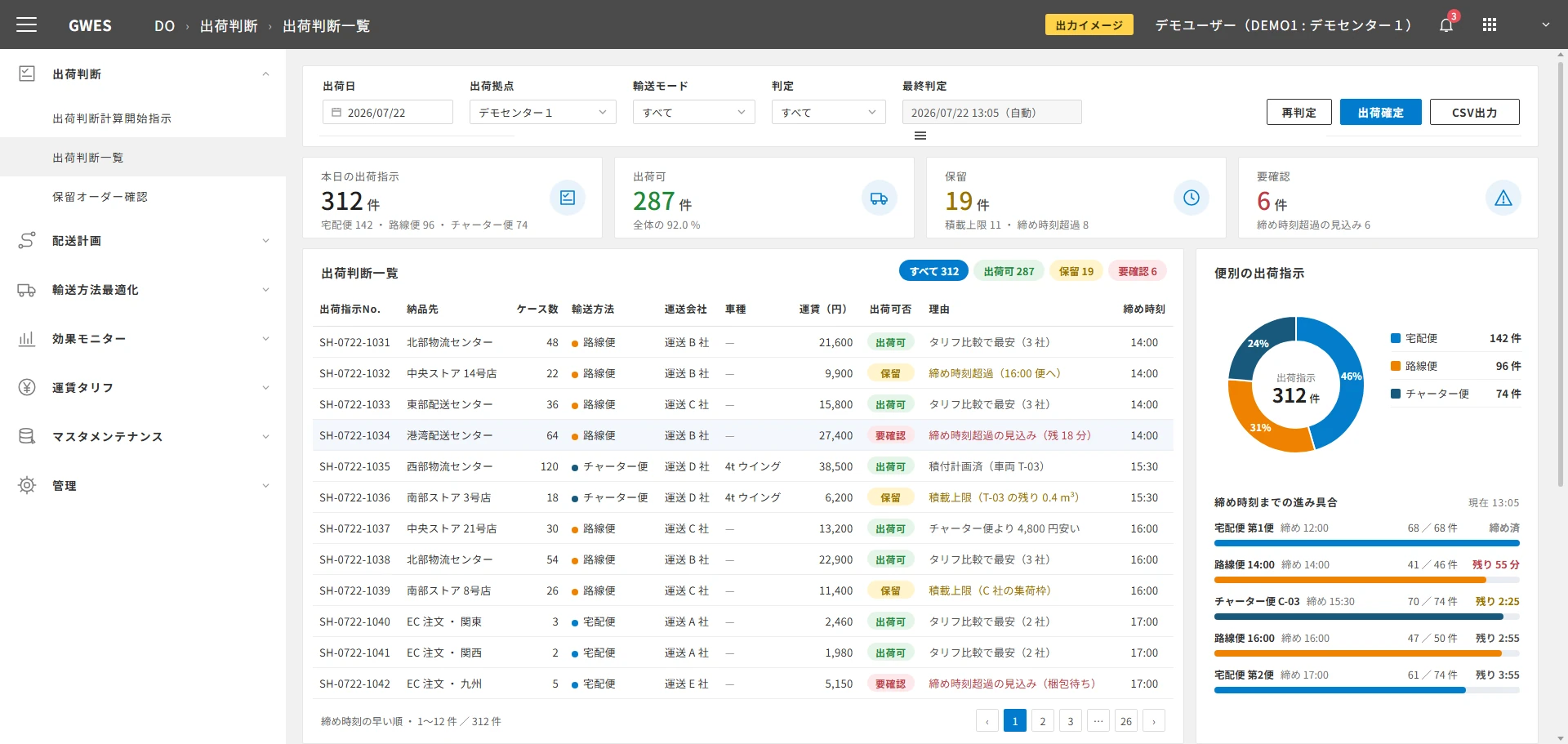
Shipment Decision List Transport Method Optimization
DO automatically selects the lowest-cost transport method for each order from 3 transport modes: parcel delivery, LTL freight, and chartered trucks. It compares the tariffs of multiple carriers side by side and derives the lowest-cost combination that meets the constraints.
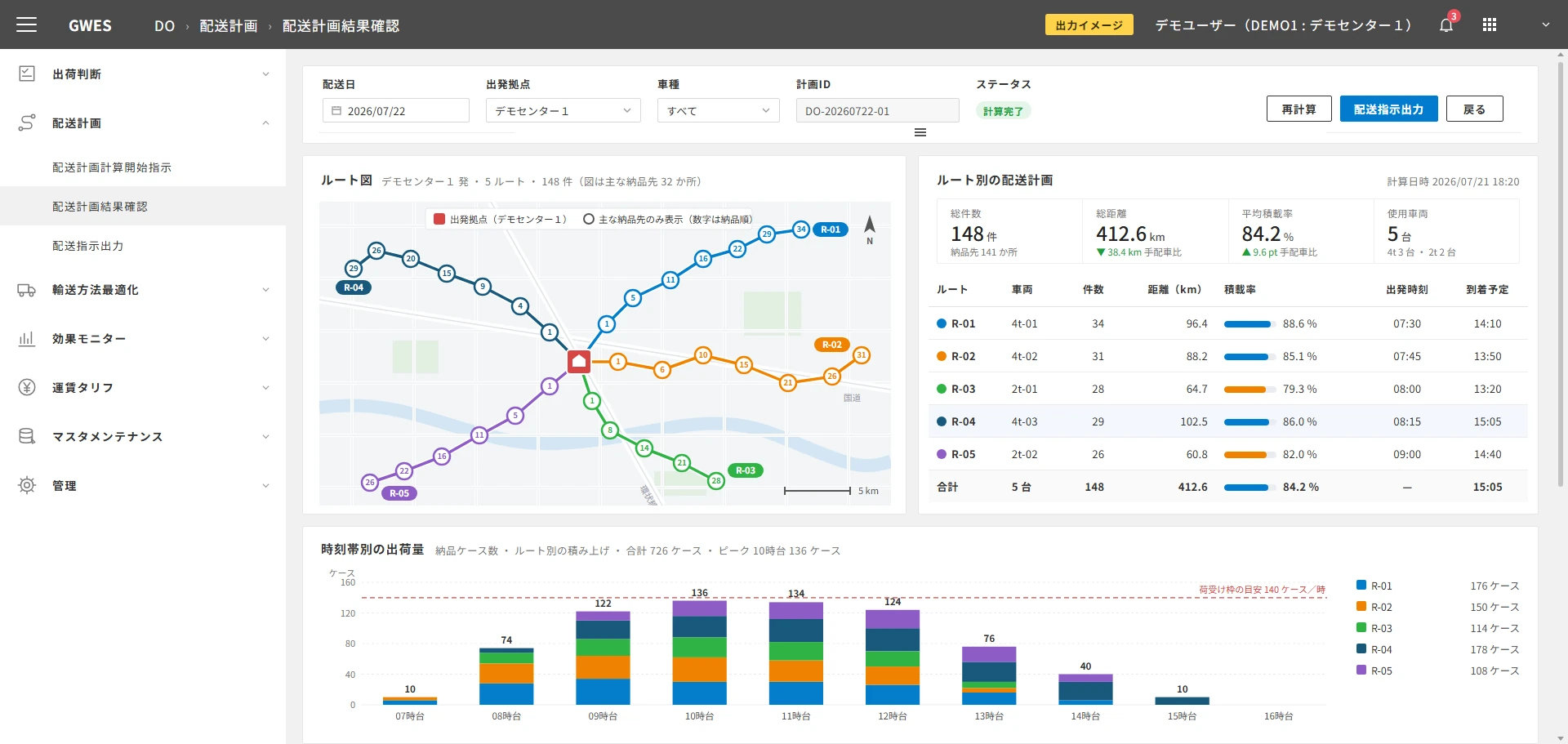
Delivery Plan Delivery Plan Adjustment
Staff can manually fine-tune the delivery plans that DO generates automatically. Adjustments include reordering specific destinations, swapping vehicles, and moving orders between vehicles.
Chartered Truck Optimization
Optimizing chartered trucks (exclusive-use vehicles) is one of DO's core functions. It combines delivery sequencing, load-building calculation, and route optimization to automatically generate delivery plans with the fewest vehicles and the shortest distance.
Order Combination Calculation
DO analyzes addresses against Japan Post's public address database to normalize destinations and calculate distances. It automatically groups orders with the same pickup point and delivery date (batching) to maximize transport efficiency.
Tap the image to open its description
Three Transport Modes
Parcel Delivery
A transport method suited to delivery by individual package. Small, low-volume shipments travel through the parcel networks of carriers such as Yamato Transport, Sagawa Express, and Japan Post.
LTL Freight
Consolidated transport by the pallet or roll cage. Medium to large shipments travel efficiently through LTL route networks.
Chartered Trucks
Delivery by an exclusive-use vehicle. It suits large-volume or regular deliveries and dedicated runs on specific routes.
04Modules
Other GWES Modules
Visualization & Analysis


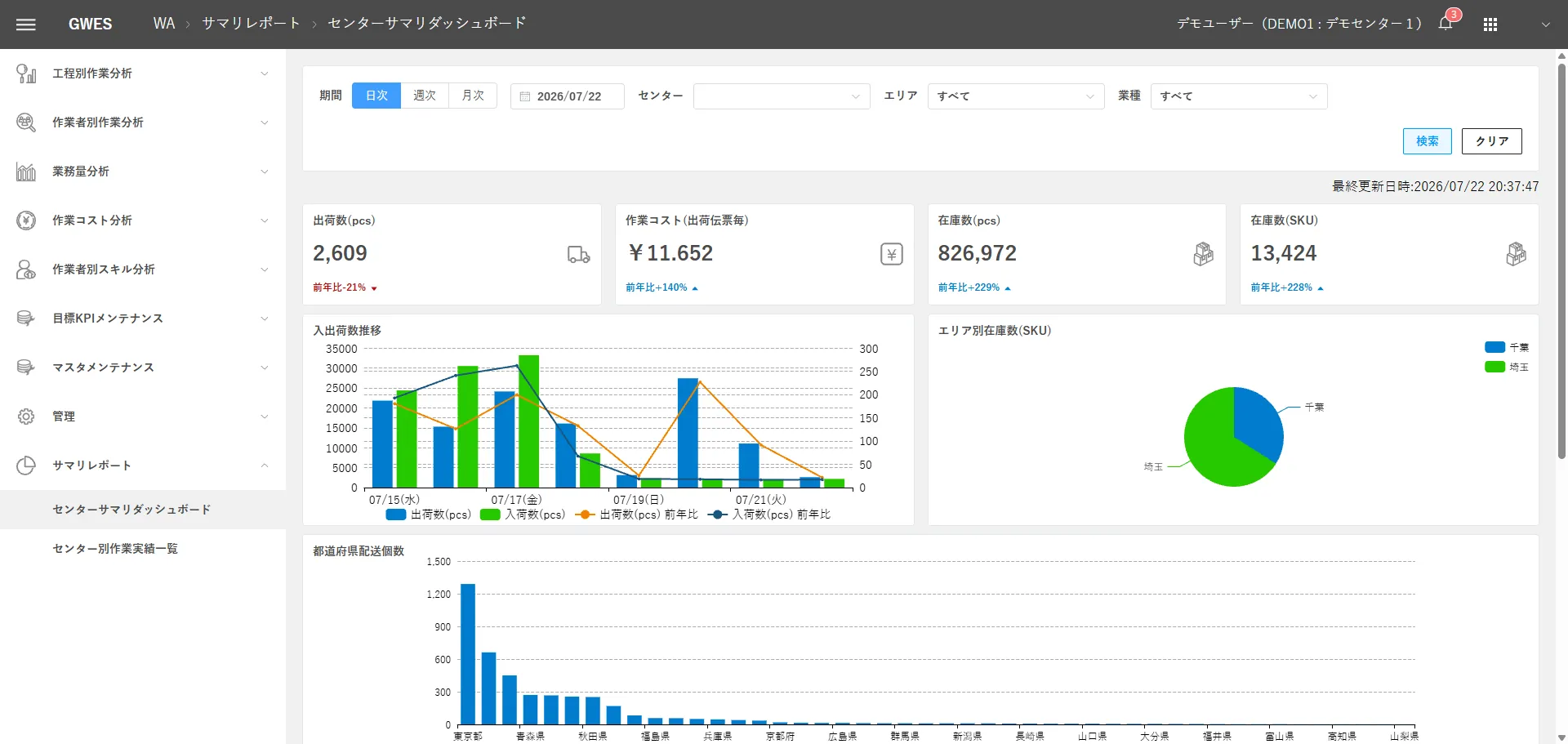

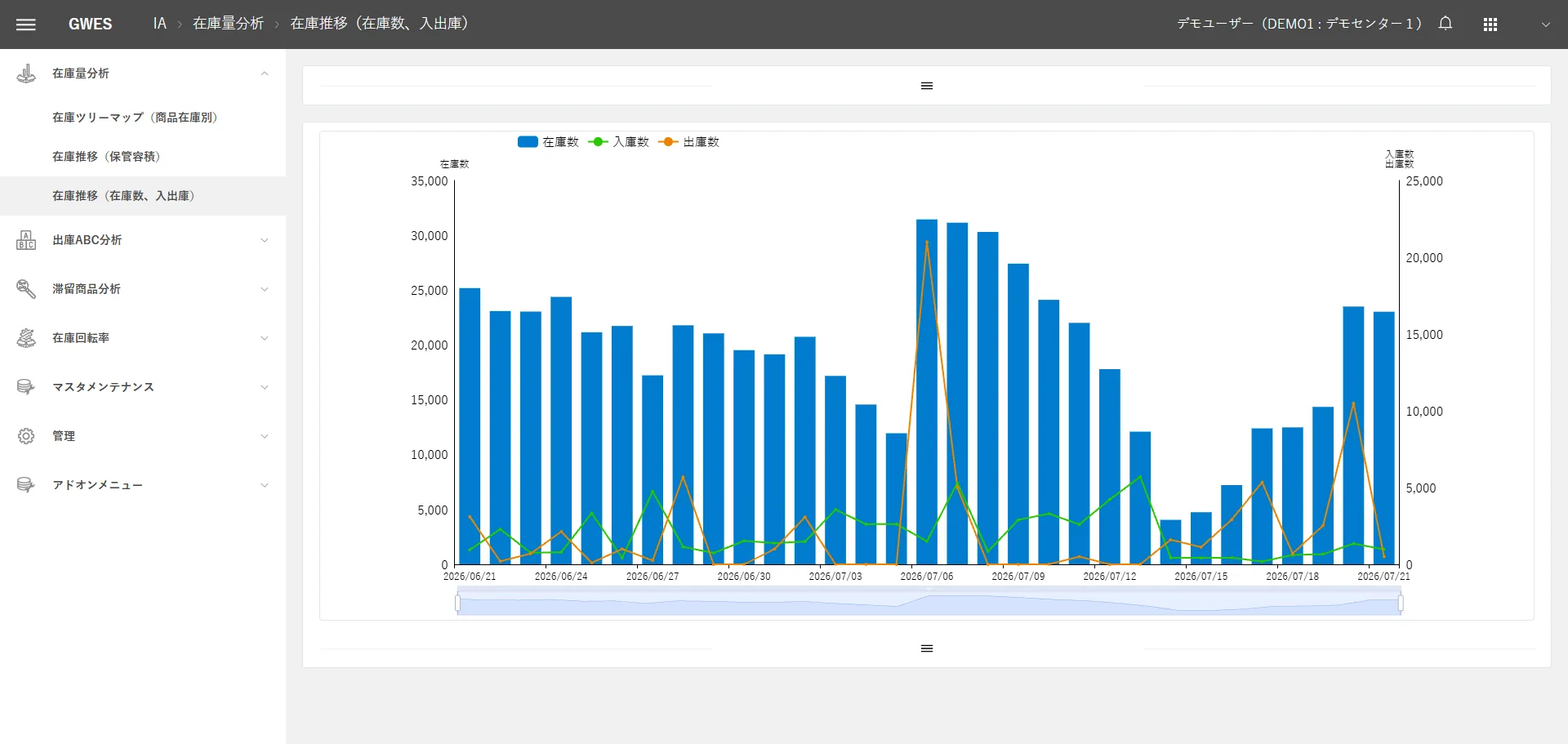

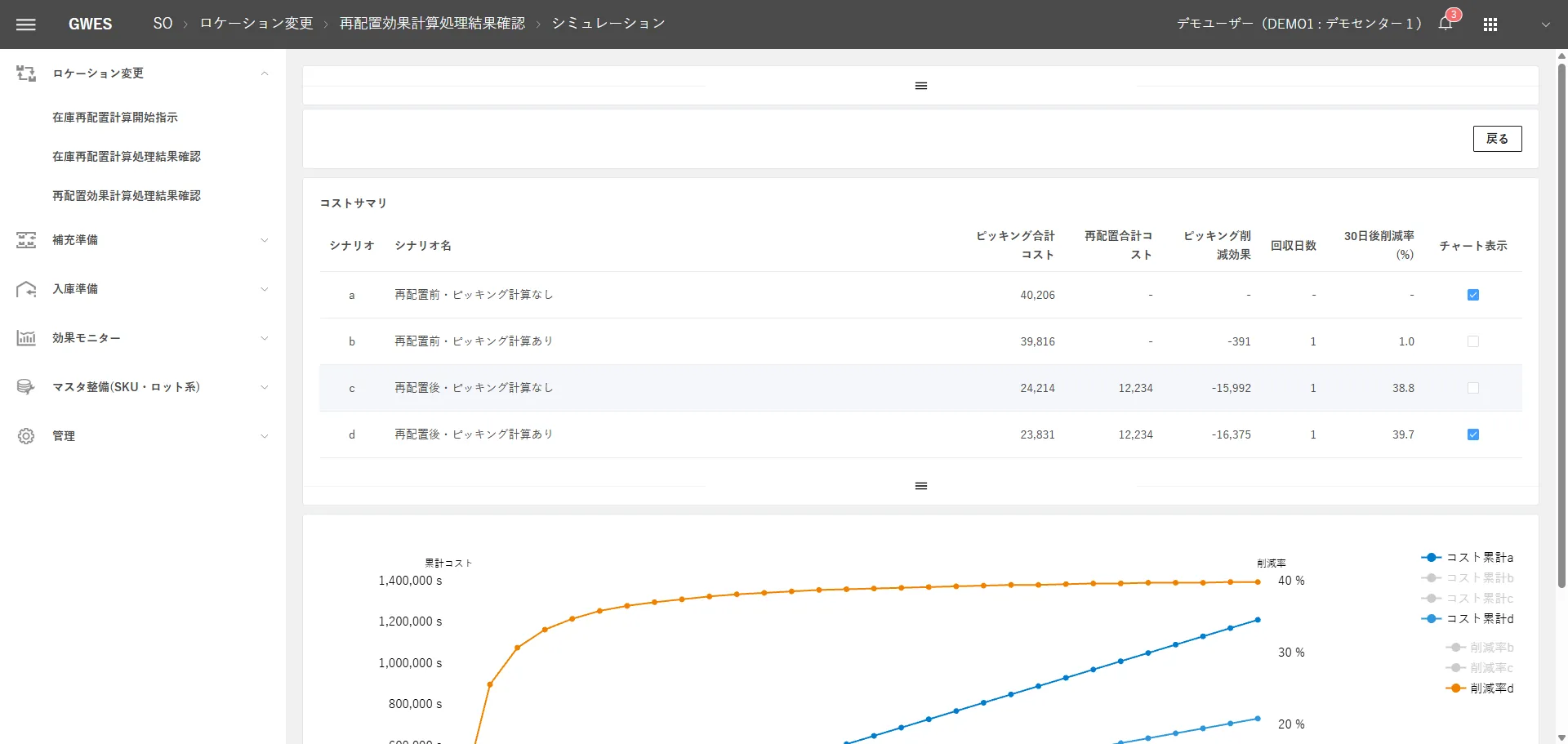
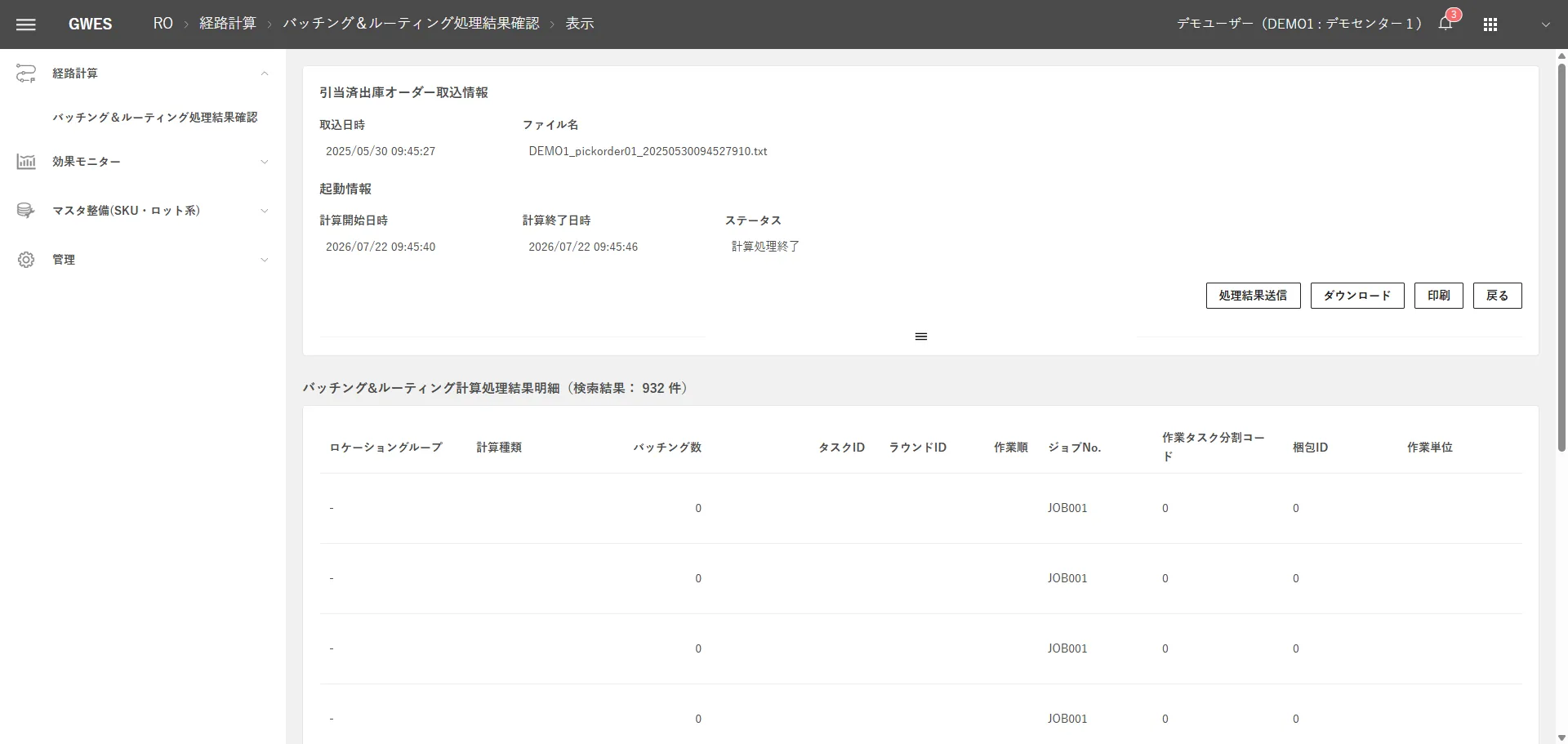
Optimization




Infrastructure



FIRST STEP
See where you stand with a free GPIM assessment
We clarify which level your logistics facility is at now and what to do next.