
MODULE LO
Loading & Load Building Optimization
Loading Optimizer (LO)
Produces the optimal load pattern from package shapes and delivery order.
Tap the image to enlarge
01About
Overview
A 3D load-building algorithm automatically generates optimal loading patterns that account for product size, weight, and package shape. It helps raise the load factor, shorten loading time, and reduce the risk of load collapse.
02Workflow
Operational Flow
- 1
Data
Shipment plans, vehicles, packagesShipment plans, vehicle and package data
- 2
Calculate
LO runs a 3D load-building algorithmLO runs a 3D load-building algorithm
- 3
Instructions on screen
Load pattern, load order, and load volumeLoad pattern, load order, and volume
- 4
Work as instructed
Load vehicles following the load patternLoad vehicles following the load pattern
- 5
Impact
Higher load factor, lower collapse riskHigher load factor, lower collapse risk
03Features
Key Features
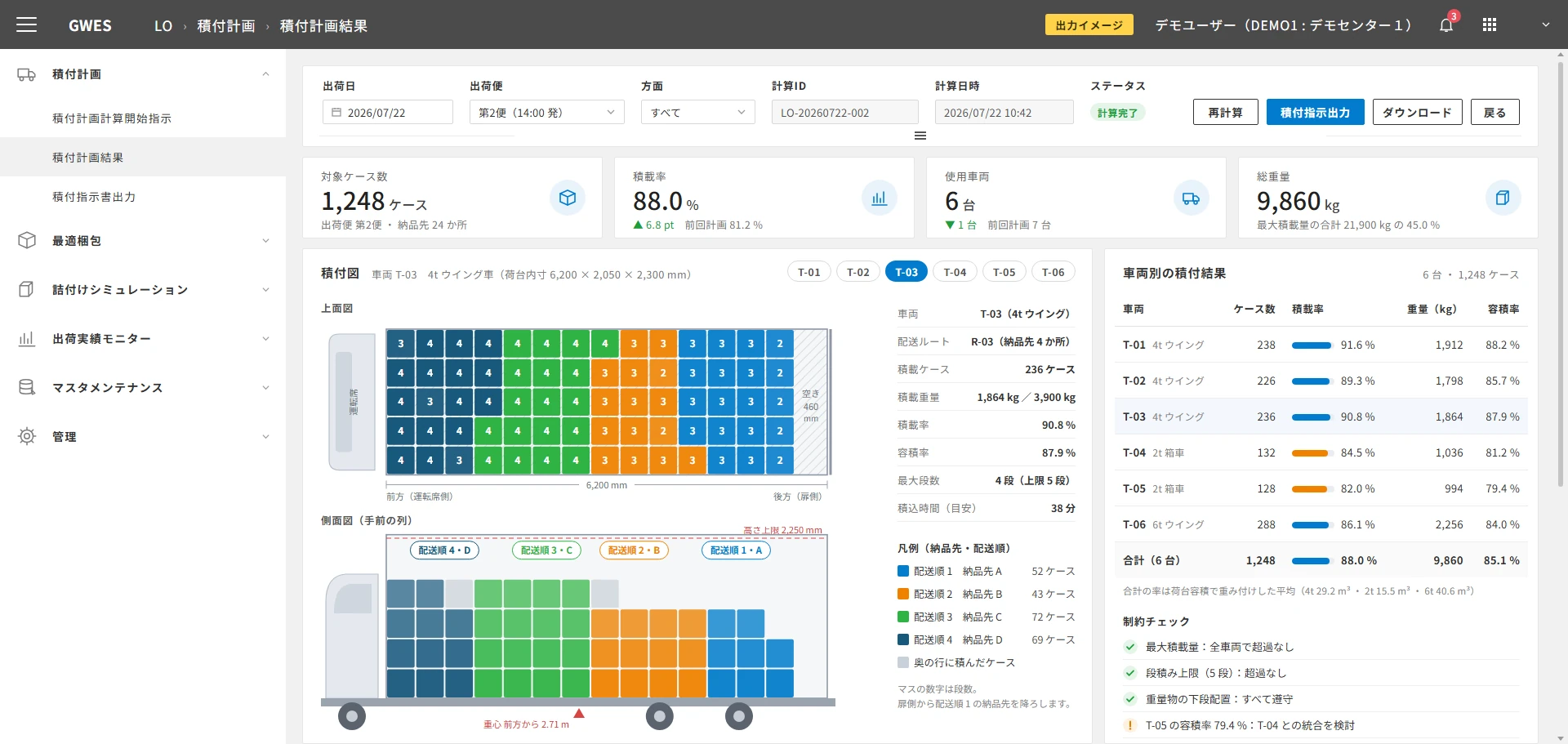
Load Plan Results Load Planning
Plans load order and load volume based on shipment plans, vehicle conditions, and package data.
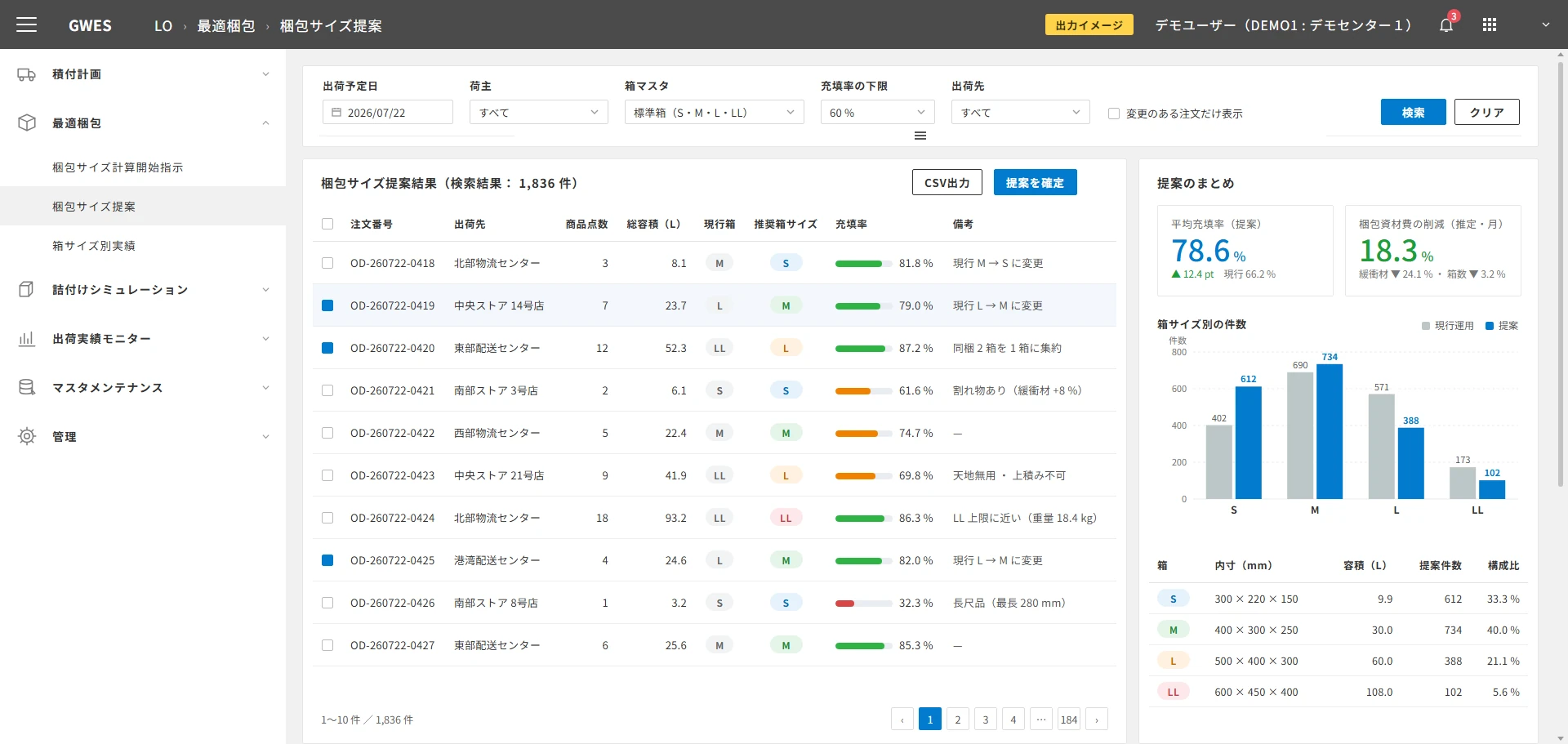
Box Size Proposal Optimal Packaging by Volume Calculation
Calculates the optimal box size from shipment plans and 3D product dimension data by combining rectangular solids. The calculation is more accurate than fluid-volume calculation, so it minimizes box sizes and maximizes pallet loading efficiency at the same time.
Packing Simulation
Evaluates packing plans that keep the risk of load collapse low, taking product size, weight, and loading constraints into account.
Shipment Results Monitor
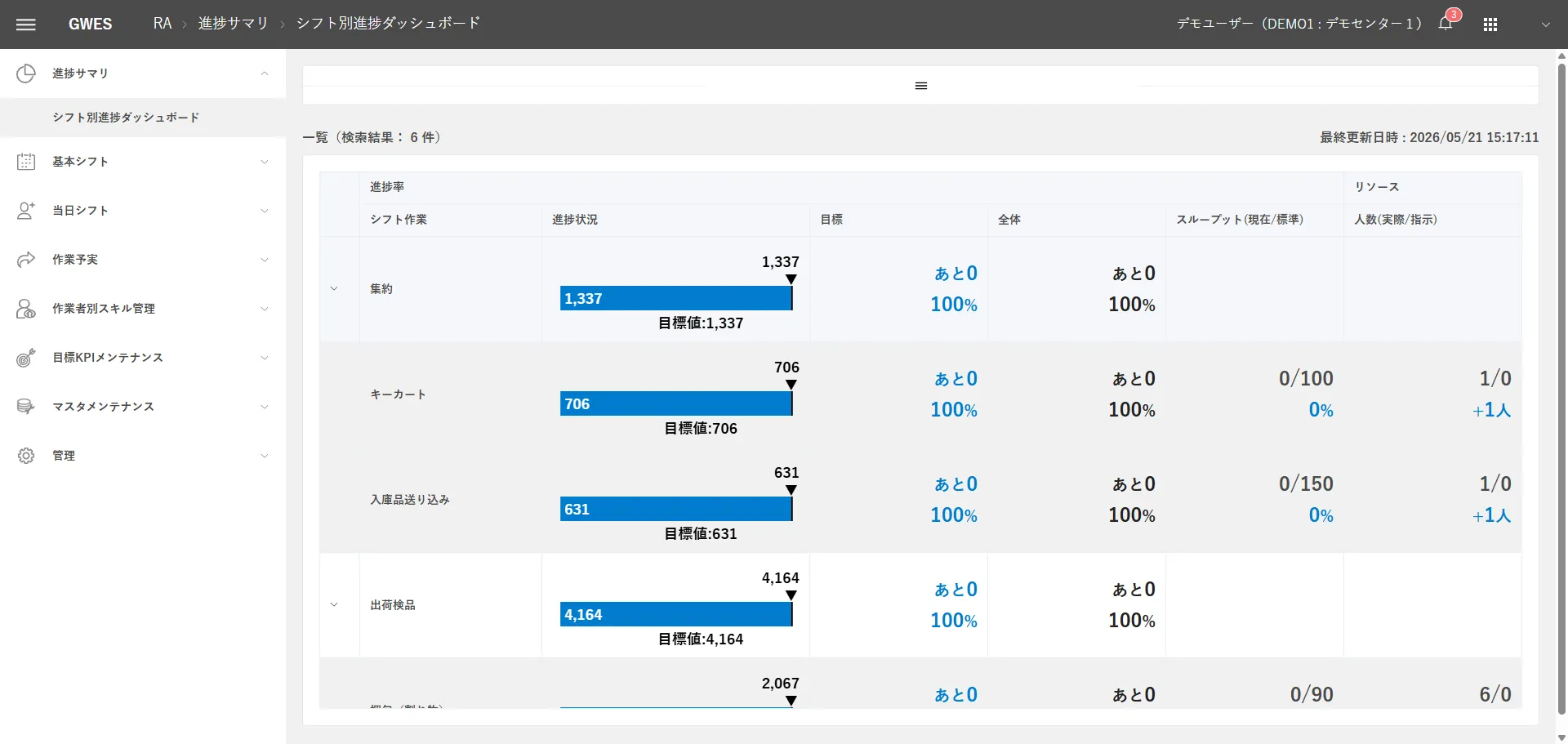
Reviews the load factor, shipment results, and operations by vehicle to improve load planning.
Tap the image to open its description
04Modules
Other GWES Modules
Visualization & Analysis
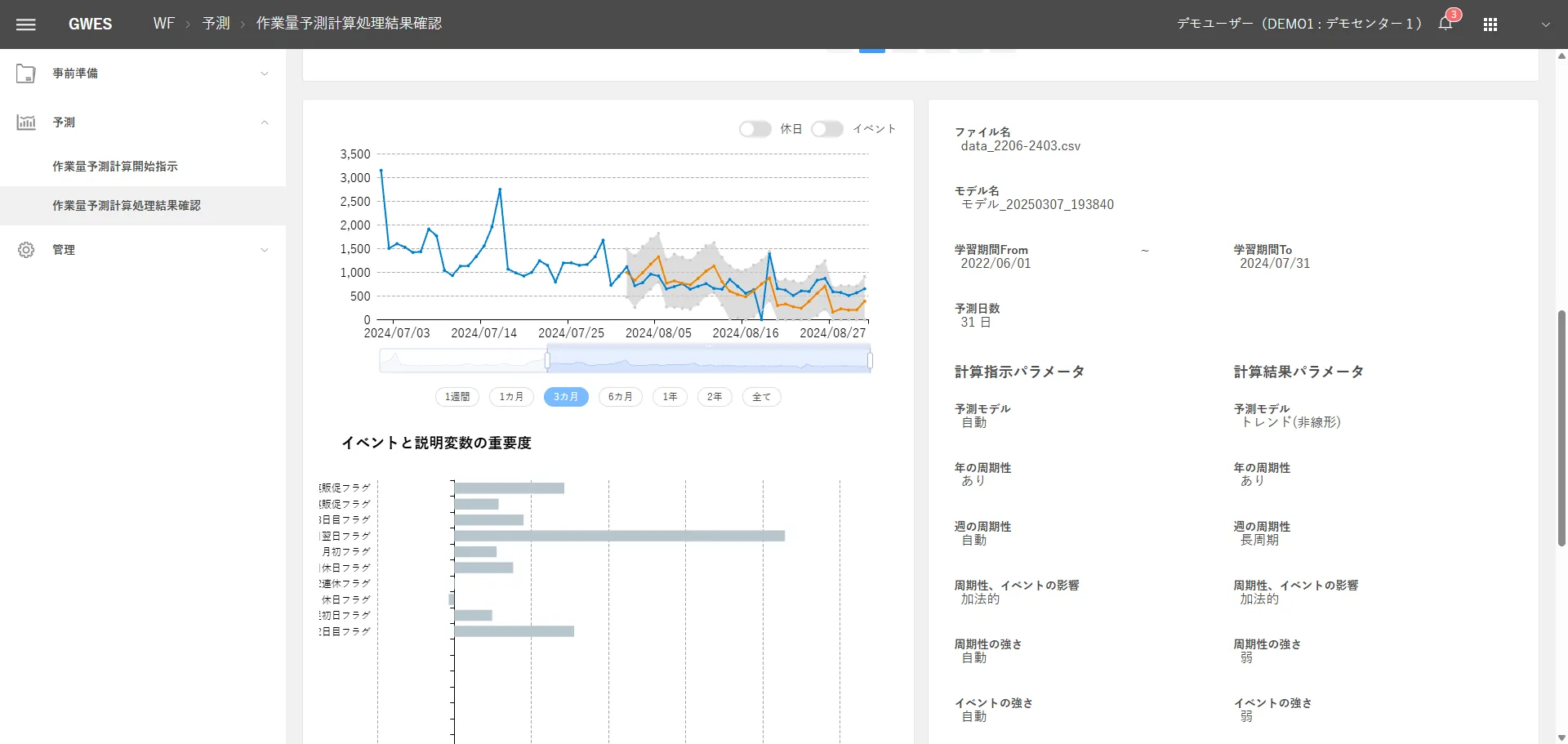

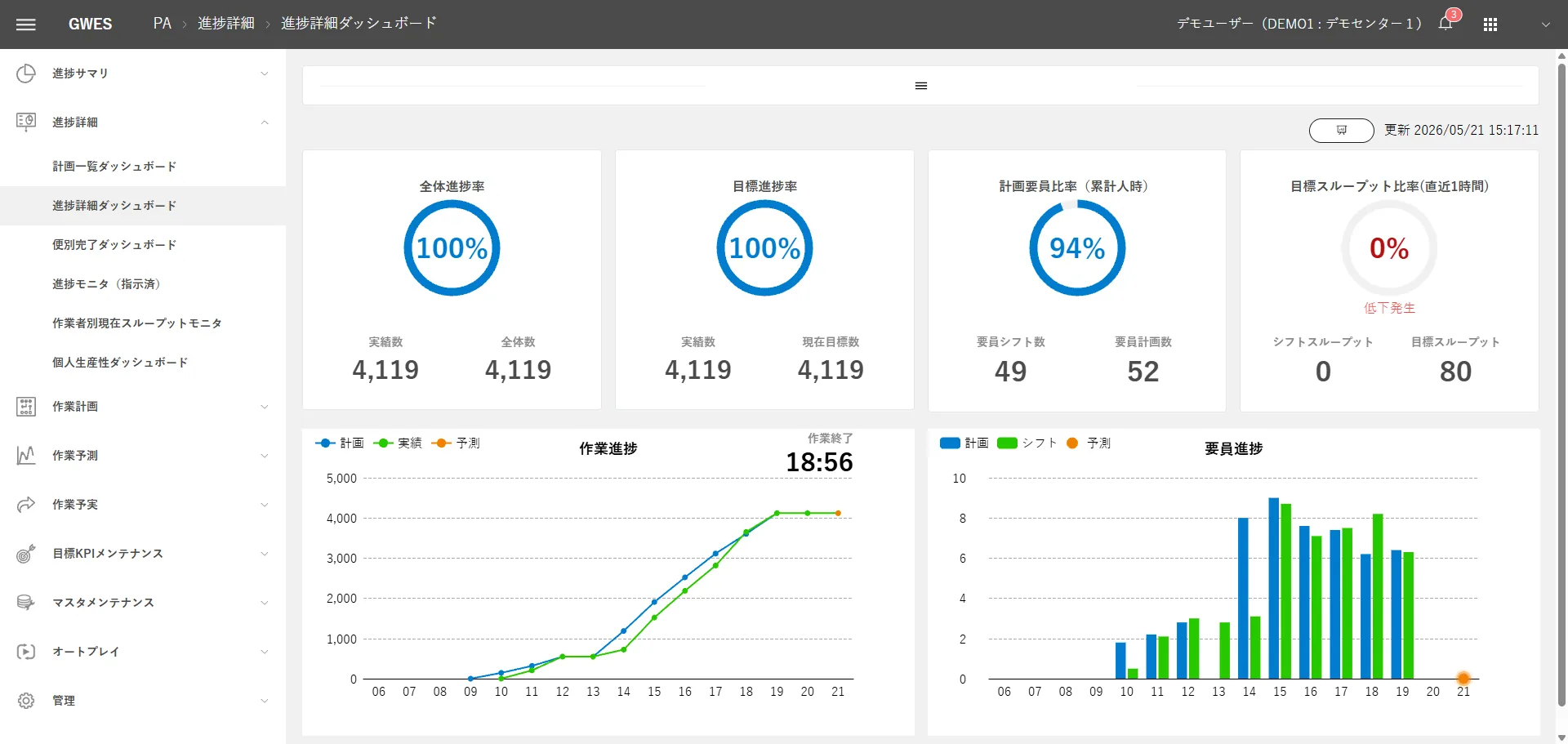

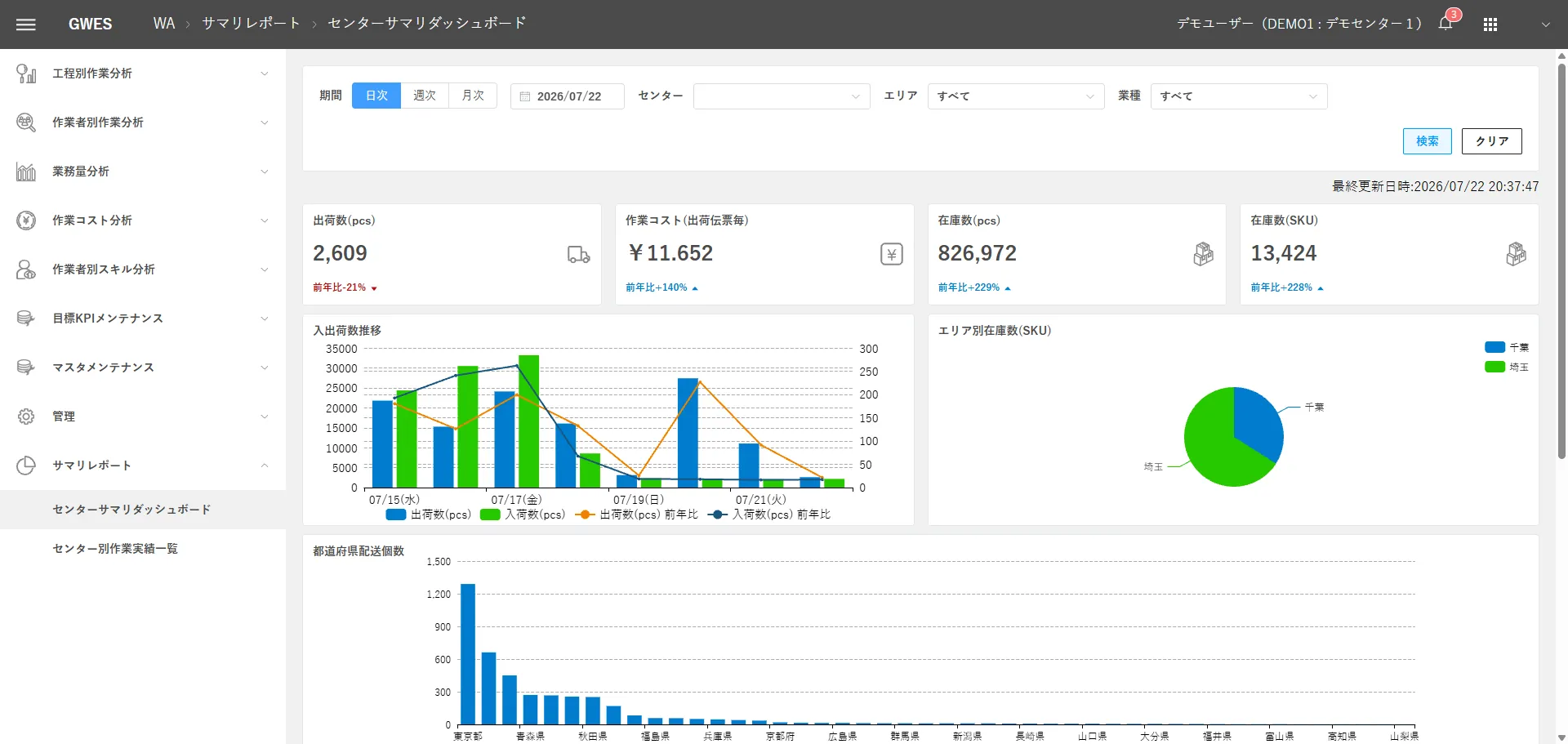

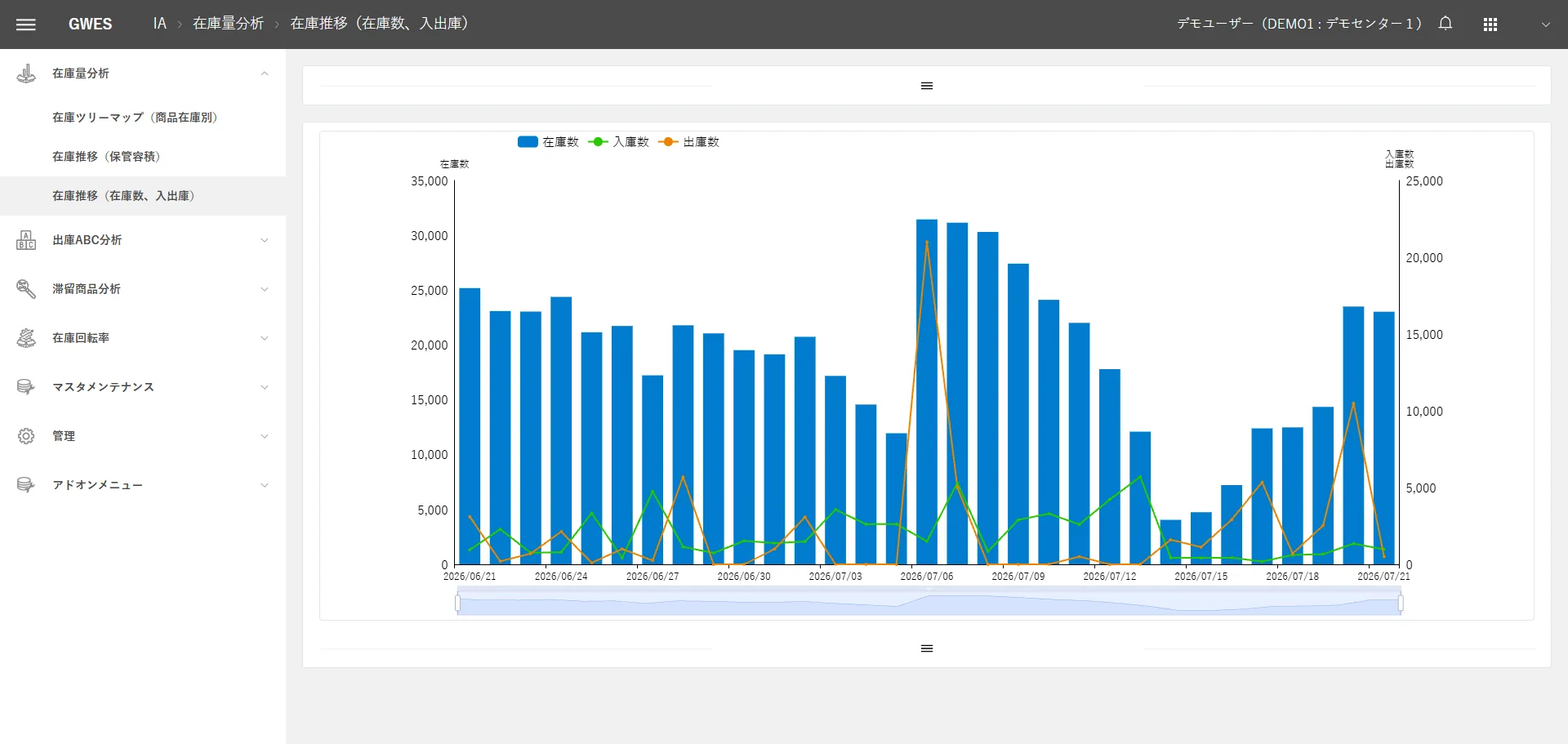

Optimization
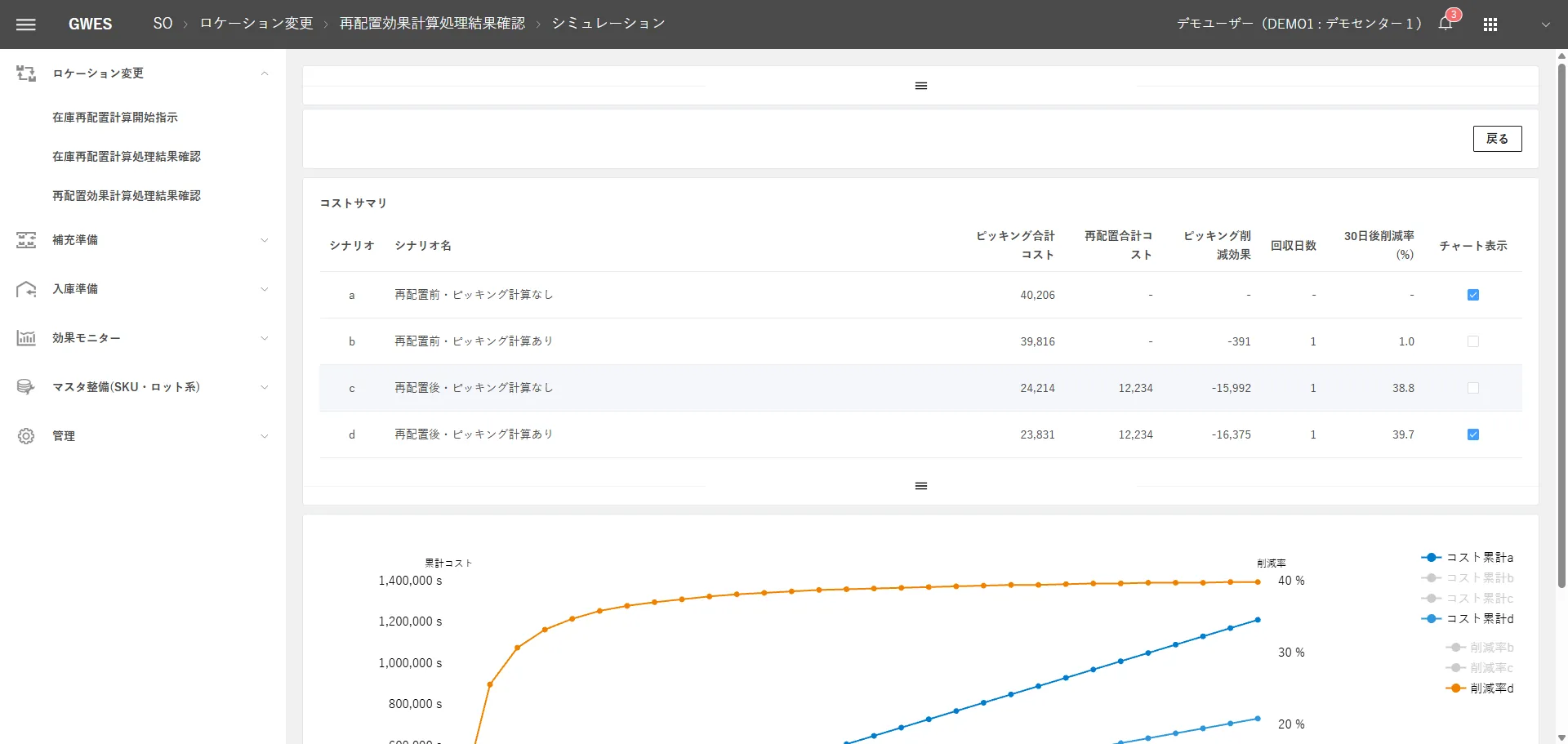

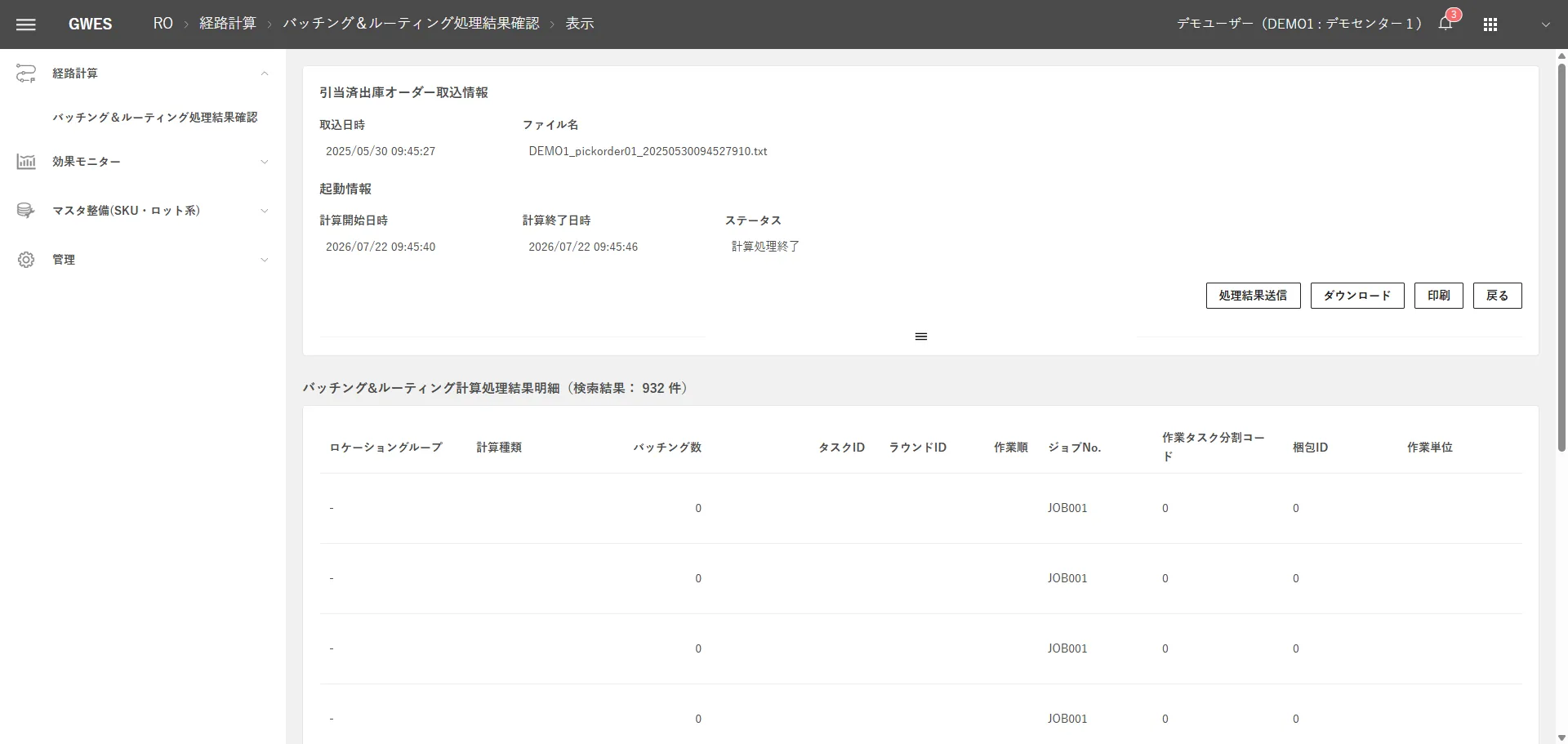



Infrastructure



FIRST STEP
See where you stand with a free GPIM assessment
We clarify which level your logistics facility is at now and what to do next.